Back to blog

Competitors / 6 min read

Custom Ink, Printful, Printify, and Create & Source: Ordering Tools Are Not Merch Programs

Group-order tools and print-on-demand platforms are useful. But a company merch store needs product judgment, brand control, order rules, and fulfillment support beyond the checkout page.

Custom Ink, Printful, and Printify are all useful tools in the right context. Custom Ink is strong for straightforward group orders. Printful and Printify are strong for print-on-demand products, ecommerce integrations, and low-inventory testing.

The mistake is assuming that an ordering tool is the same thing as a merch program. It is not. A merch program has to decide what should exist, who should get access, what quality level is appropriate, how orders are approved, and how exceptions are handled.

A checkout page can collect an order. It cannot decide whether that order is the right merch strategy.

When ordering tools work

If the need is simple — one t-shirt, one event, one known design, one deadline — group-order and print-on-demand tools can be a fast answer.

They are also useful for testing a design with low inventory risk, especially when quality, decoration method, and long-term brand consistency are not the main concern.

Where they fall short

The problem appears when the buyer wants an actual store: polos, outerwear, hats, bags, drinkware, executive gifts, employee budgets, approval flows, and product tiers for different audiences.

At that point the work is no longer just order collection. It becomes merchandising, brand control, sourcing, pricing, fulfillment logic, and program management.

The Create & Source approach

Create & Source treats the store as a curated product and operations experience. The product lineup is selected around the audience, the visuals are built for the brand, and the flow is configured around how the organization wants merch handled.

That is the difference between "we made a shirt order form" and "we built a merch store your team can actually use."


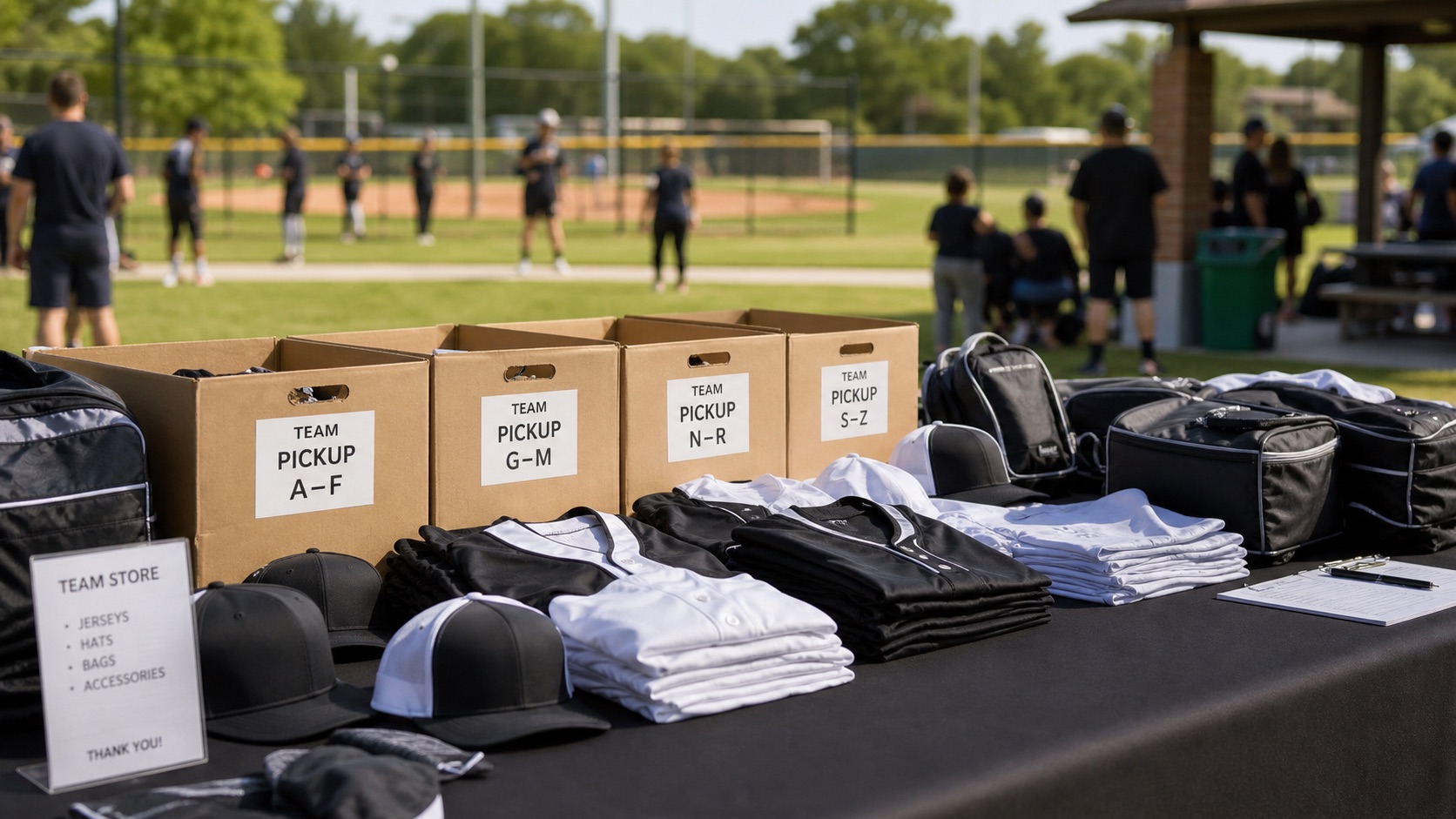
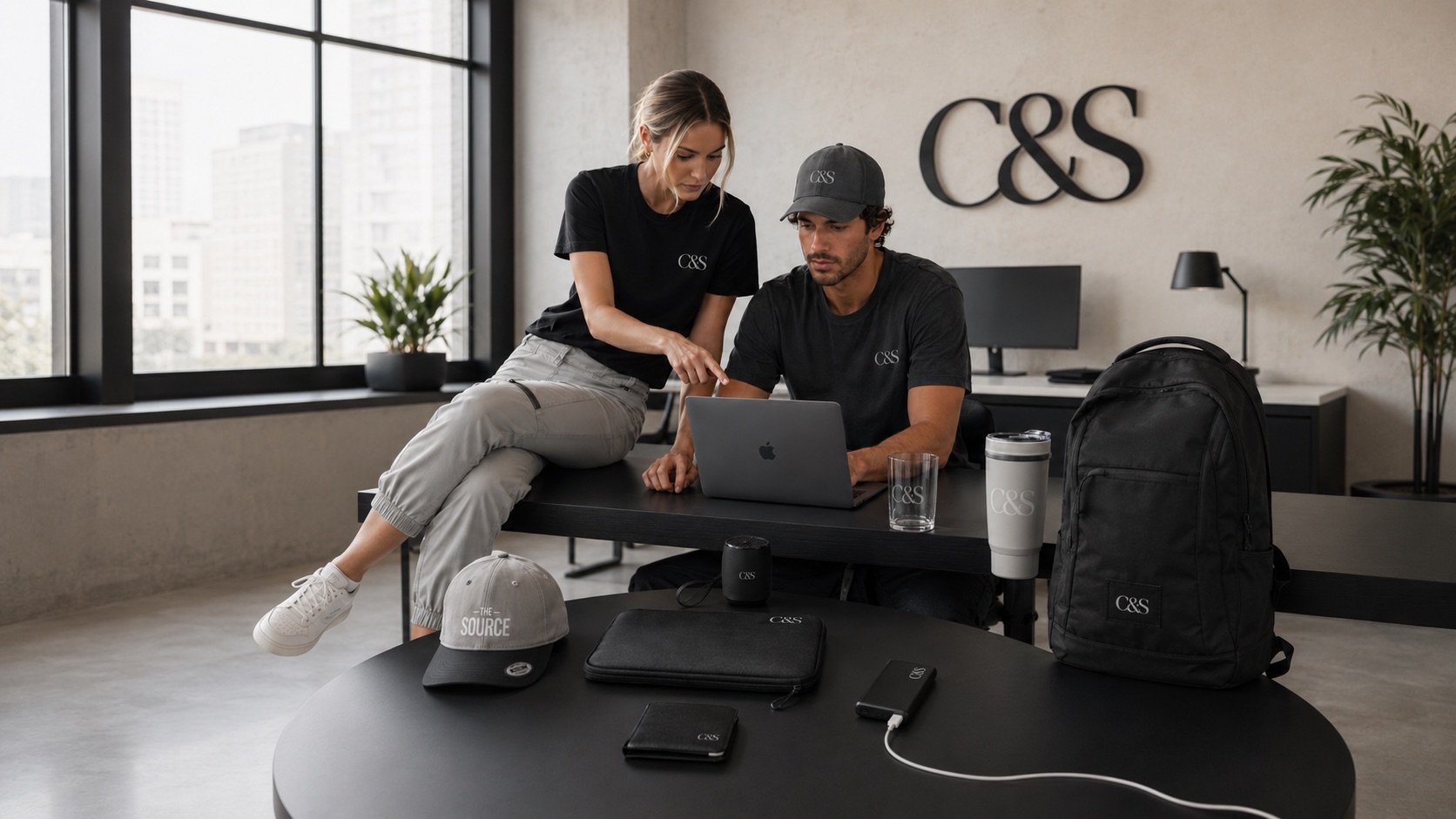
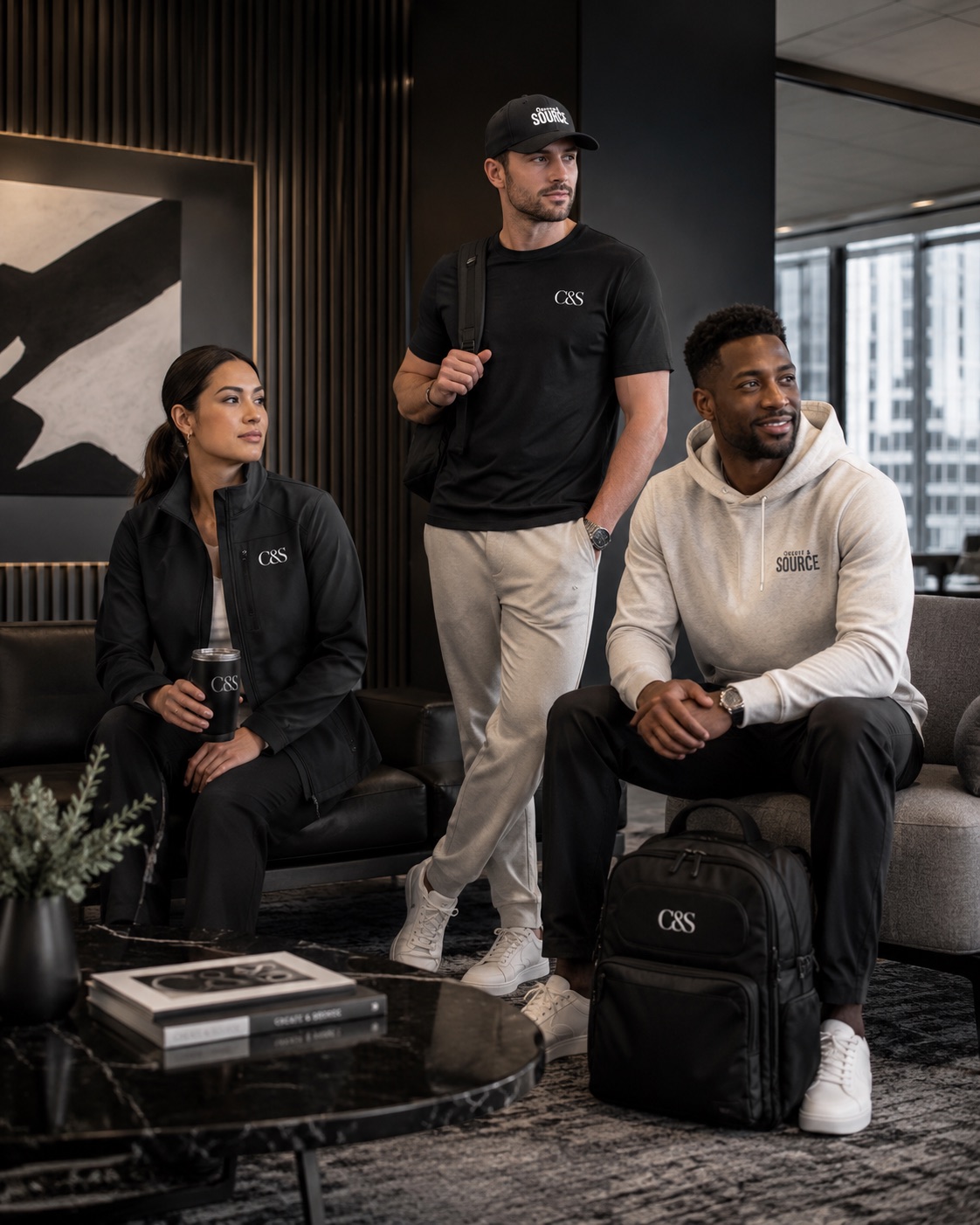
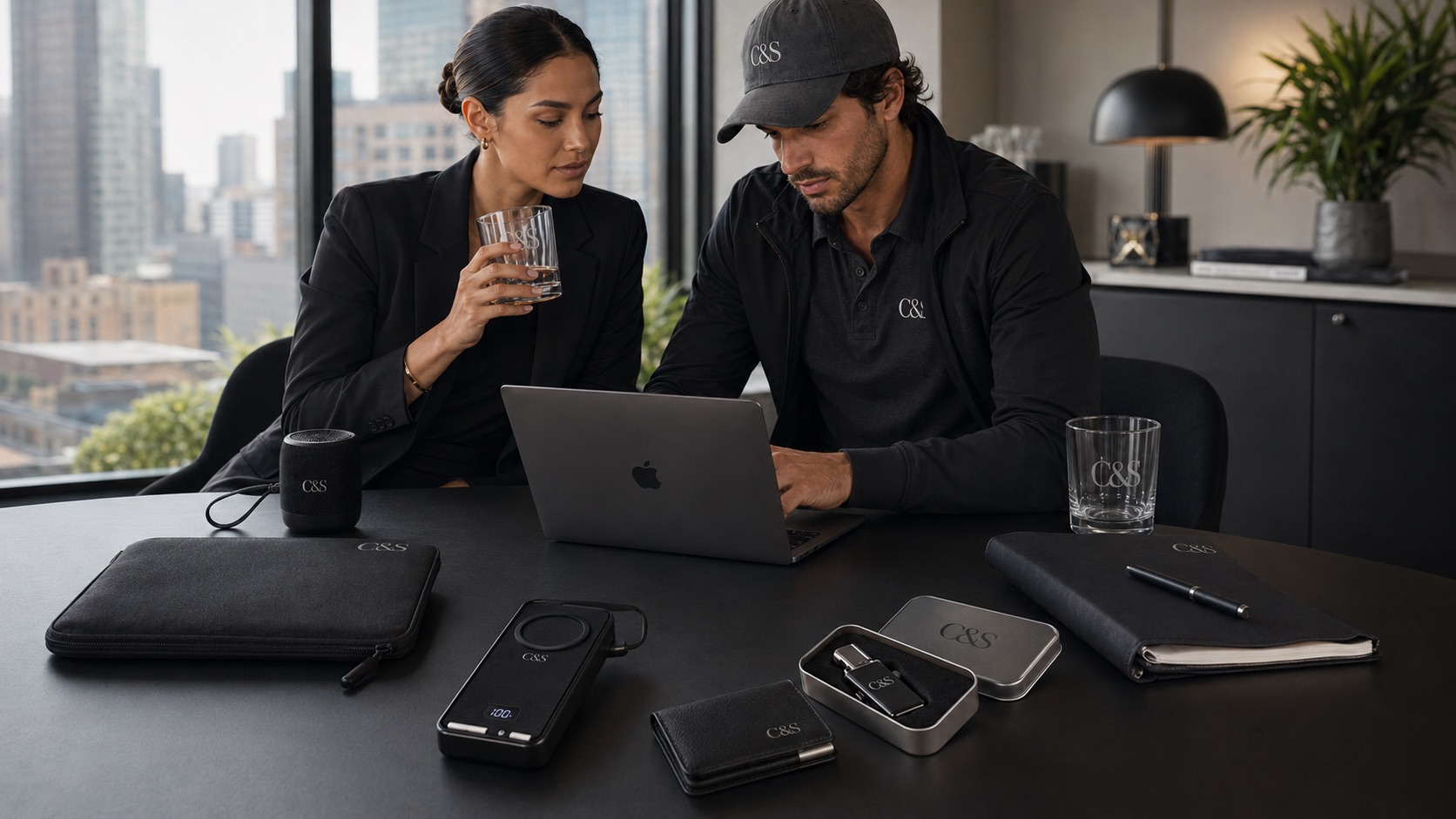
Useful tools are not the same as a managed merch programCreate & Source focuses on assortment, visual quality, store mode, and fulfillment supportGood stores include premium categories beyond teesThe best program can still use on-demand or group ordering where it makes sense

More from the blog

Operations

The Backpack Test: Why Off-Catalog Sourcing Changes Everything

Most company stores limit you to 200–500 pre-decorated SKUs. Here is what that constraint actually costs your program — and how off-catalog sourcing eliminates it.

Fulfillment

A Storefront Is Not Enough. The Operation Behind It Matters.

The branded merch industry has a fragmentation problem: 63% of companies use 3+ vendors to manage what should be one program. Here is why that happens and how to fix it.

Teams

Corporate Teams, Sports Teams, and Organizations Need the Same Thing

Whether it is 50 employees or 200 athletes, every group ordering program faces the same five problems. Here is how the best programs solve them.

Competitors

SwagUp vs. Create & Source: When a Swag Platform Is Too Much

SwagUp is strong for broad swag logistics, packs, storage, and scaled programs. But many teams do not need a heavy platform first — they need a curated store that actually launches.

Competitors

Printfection / Swag Pro vs. Create & Source: Enterprise Power Without Enterprise Weight

Swag Pro is built for serious swag management: storage, users, budgets, integrations, and enterprise controls. Create & Source is built for teams that want the operation handled without starting heavy.

Competitors

Axomo, Kotis, and Create & Source: The Service Gap in Company Stores

Axomo and Kotis validate the category: company stores need budgets, permissions, reporting, shipping, and store controls. Create & Source focuses on the done-for-you layer many buyers still need.